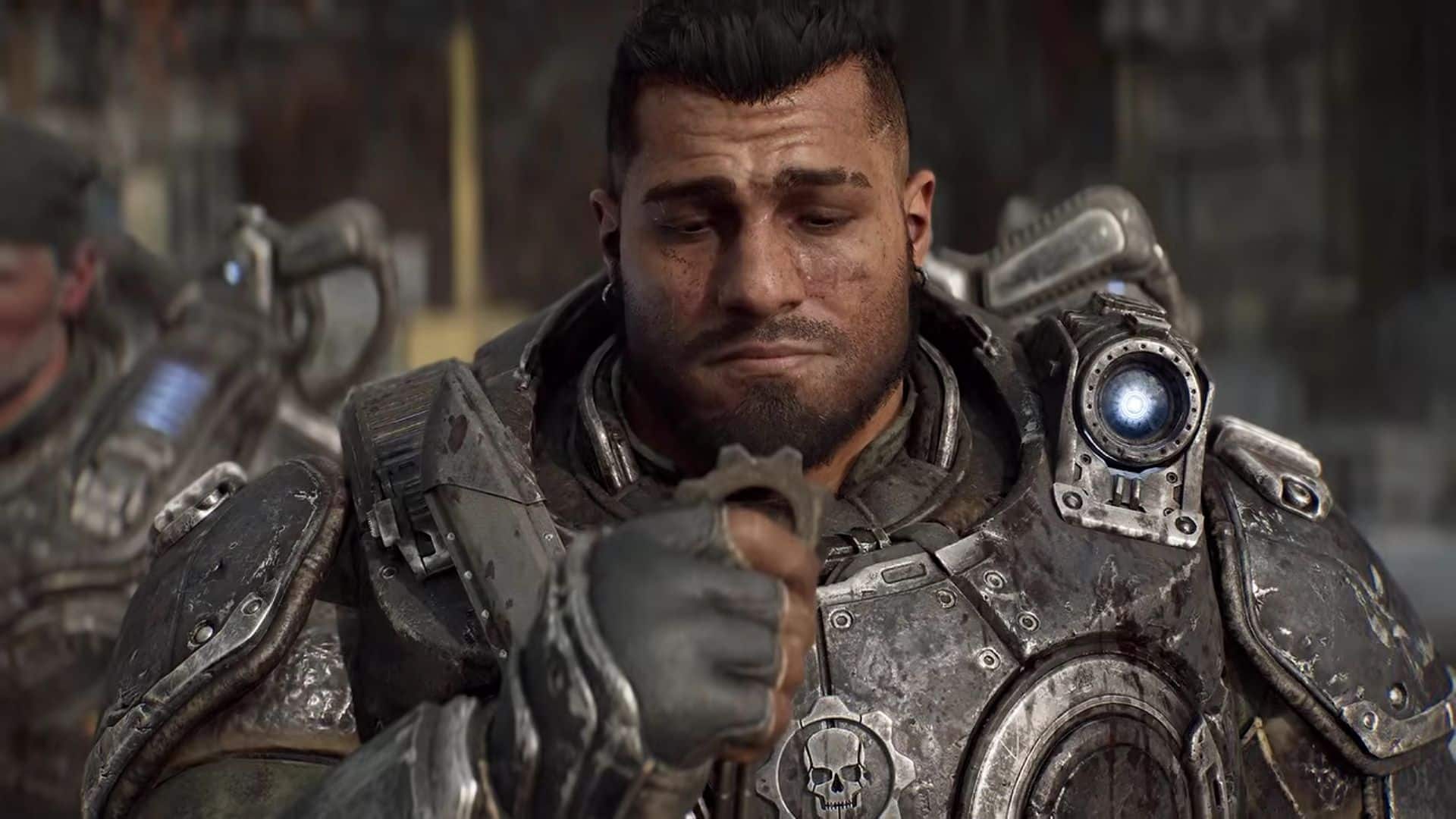
The release of the gaming subscription game Gears of War: E-Day has spotlighted the changing nature of the video game industry. Based on what analytics firm Alinea Analytics estimates to be around 230,000 copies sold of Gears of War: E-Day across both Xbox and Steam at launch, a play count of some 1.7 million by players of Microsoft’s gaming service subscription Microsoft said that Gears of War: E-Day was accessed by some 1.7 million players through Xbox Game Pass. The report gives a snapshot of why publishers need the payments made through digital sales, but also raises questions about whether subscription access is changing the way that they profit from blockbuster releases.
For advertisement on our platform, do call at +91 6377460764 or email us at [email protected].
Gears of War: E-Day Touts Humble Direct Sales
From The Coalition and Xbox Game Studios, Gears of War: E-Day is the final game, which was released October 6, 2026 for Xbox Series X|S and PC, including Steam, after early access for Premium Edition members and customers who bought the Premium Upgrade.
Alinea Analytics put the PC/Steam sales for the game at around 168k, and Xbox at around 62k (including console and PC). The reported combined sales of around 230k created quite a stir regarding how well a AAA franchise release may be performing, but the total is still an early projection, and the game’s total sales could change once additional data is available. Microsoft has not officially announced the figures.
Game Pass Brings Millions of Players to the Game
Gears of War: E-Day looks less impressive once you add in subscription players Alinea Analytics reports that 1.7 million fans played Gears of War: E-Day through Xbox Game Pass. You can subscribe to Xbox Game Pass on Xbox or PC, and play a library of games if you’re eligible for the service.
It may also bring new players to a new release-players who otherwise would wait for a deal or not buy the game at full price. It could also incentivise new subscribers to sample a franchise they have not played before. For Microsoft, a large Game Pass base might be valuable simply for the subscriptions, engagement and exposure to its wider games ecosystem. But the level of players alone tells us nothing about how much they spent on the game, or how many of them would have bought it without the subscription.
Premium Upgrades Add to the Revenue Picture
Secondly, it notes that spend was driven by players who were accessing the game via Game Pass but subsequently decided to spend money to unlock further content. Alinea Analytics found that “over 722,000 Game Pass subscribers spent money to unlock the Premium Upgrade”.
It turns out that including the paid add-ons to the direct purchases, about 950,000 had paid at least something to play or for the game’s ancillary features, according to the analyst. Alinea put its estimate for sales revenue at $37 million. Both figures indicate that subscription access and optional expenditure can coexist rather than stand apart.
However, the figure for revenue alone can be distinguished from the bottom line when compared to Microsoft’s profit. It does not calculate the costs of development, marketing, and running the platform or even the proportion of revenue earned from subscriptions that was due directly to E-Day. Nor does it show the extra revenue that could have been generated had the game been exclusively purchased.
Does Game Pass Reduce Full-Price Game Sales?
This has sparked further discussion around whether subscription services cannibalize sales of an individual game. With a monthly subscription it’s possible that some customers will choose not to buy the full retail edition if they’re able to access the game that way. This can lead to lower direct sales even when the audience for a game is large.
But it’s complicated. Not everyone who plays a game through Game Pass would have bought it otherwise, and not everyone subscribed or renewed a subscription because of that game’s launch. People may just be playing an old game already available in a service they’re subscribed to. Only data that public estimates just aren’t enough to say if Game Pass is replacing sales or just attracting new players.
The E-Day numbers show how difficult it can be to assess the value of games on the basis of copies sold. Publishers will need to look at direct purchases, paid upgrades, subscription economics and engagement with players as a whole. The trade-off between them is bound to remain a key issue in Microsoft’s next product rollout.