Emergency Cut Down Model Takes Shape
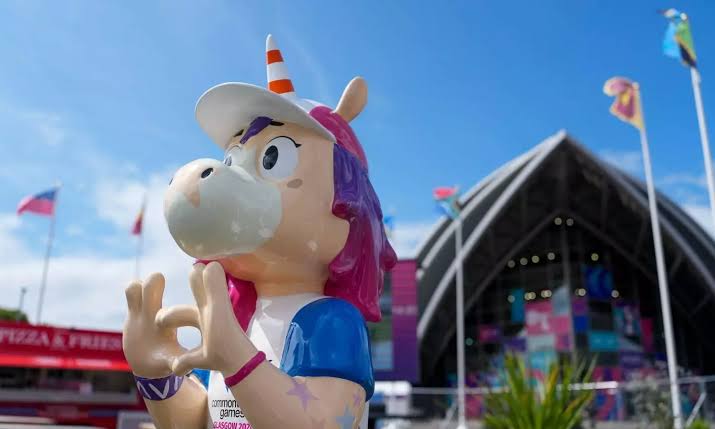
The financial realities of accepting the 2026 Commonwealth Games at short notice hit the Glasgow organizers hard. Victoria in Australia withdrew from hosting the event in 2023 citing projected costs way over the original estimations. With no other country ready to take on the mammoth task of hosting without plunging into debt, it was Glasgow that agreed, but only if the sports program was trimmed heavily.
For advertisement on our platform, do call at +91 6377460764 or email us at [email protected].
The new plan reduced the number of sports from 19 (at Birmingham 2022) down to 10 in 2026. The event is using only four venues around the city to limit costs, avoid building new infrastructure or housing, and keep all athletes in local hotels instead of a Games Village. The changes saved the Games from being scrapped, but they completely redefined how the competition itself is going to look. For India, a nation whose performance had been on a consistent upward trajectory across editions, this stripped the events schedule of almost all disciplines where they consistently find themselves on the podium.
Core medal engine sports removed from the roster
Several of the sports excluded from the 2026 program specifically hit the Indian contingent hard. Wrestling, badminton, table tennis, hockey, squash, and cricket were all removed from the official program. Shooting, which over the years has provided India with a total of 135 medals, was already excluded from the 2022 games and has been left out again.
Wrestling alone has historically always been one of the primary Gold Medal providers for the country. Indian wrestlers won a total of 12 medals including six Golds at the Birmingham Games in 2022. Six medals were bagged by Badminton, seven by table tennis with Indian men and women’s hockey, cricket and squash filling up the remaining medal spots. Taking all these specific sports off the roster automatically clears out the disciplines where the Indian athletes enter the competition as strong favorites to win.
Huge damage done to Birmingham’s baseline
India secured fourth position in the medal table at the Birmingham Games in 2022, with a total of 61 medals. A detailed look at these numbers revealed that 30 of these 61 medals came in the sports that Glasgow has now removed from the program, nearly half of the entire count erased before the event could even begin.
A consequence of this removal forced India to field a much smaller contingent of athletes to Scotland. Having sent 215 athletes to Birmingham four years ago, India’s team for Glasgow comprises of about 124 athletes. Entire teams of top shuttlers, mat-wrestlers and hockey players were left out purely because their respective sports were not part of the 2026 program. While officials may have aimed to historic highs in 2026, there is no way that past results could be matched with this drastically reduced sporting event.
The burden falls on Athletics and Weightlifting
The removal of so many medal-winning sports has put all the pressure on a handful of sports which remain included in the program such as Athletics, Weightlifting, Boxing and Judo. India has won a total of 133 medals in the Commonwealth Games History which is just less than shooting for Weightlifting. Indian Weightlifting will be led by Olympic gold medallist Mirabai Chanu and a young group of lifters expected to compete for podium places.
After missing out on the 2022 games due to injury, Olympic champion Neeraj Chopra leads a highly competitive athletics team this year along with the likes of long jumper Murali Sreeshankar and javelin thrower Rohit Yadav, who have produced strong performances this season. High jumper Sarvesh Kushare, who cleared the 2.30m mark this year, could also be in contention for a medal. However, even with the best efforts of these individual athletes, the number of events available in Athletics will not match the removal of entire sports disciplines like Wrestling or Badminton.
Financial setback and doubts around future Commonwealth Games
This drastic cost-cutting measure adopted by the Glasgow Games represents the wider financial crisis threatening the Commonwealth Games Federation. Cities across the world are unwilling to take a financial hit in the hundreds of millions of pounds for a multi-sport event without tangible returns. The reduced sports program in Glasgow was designed to serve as a template for future host cities to successfully host an event within a tight budget and an already existing infrastructure.
But for the administrators within Indian sports, this model creates a long-term dilemma. Indian sports federations invest in grassroots training programs for sports such as Wrestling, Shooting, and Archery with support coming primarily from their potential to clinch medals at major events. If every host city continues to emulate Glasgow’s template and continue removing these sports, India’s participation and commitment towards the Commonwealth Games movement could be severely undermined.