An Indian Cinema Year To Be Remembered.
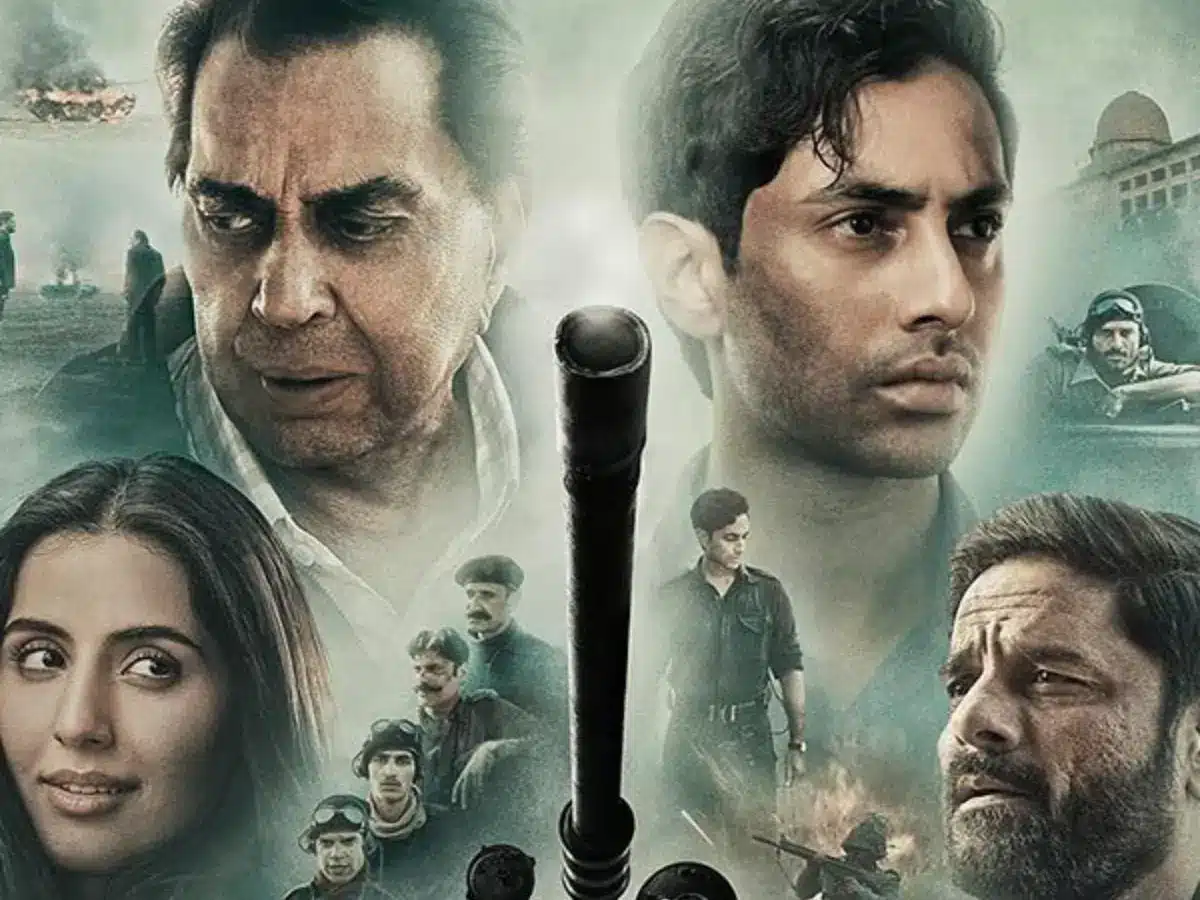
The year 2010 has started in a very emotional and successful manner with the launch of the biographical war film Ikkis, a film by Sriram Raghavan. The film was released on January 1, 2026, and now it has gone through the country like a wave of nostalgia and pride, immediately resonating with representatives of all generations. Cinemas all over the country are known to have full boards, the audience extending the screening movies with swollen eyes and sore hearts, hailing the movie as a contemporary masterpiece. In contrast to the loud, jingoistic actioners that have been dominating the box office of the recent years, Ikkis has been able to establish a niche, with its mute power and touching narration. It has been able to rise above the others despite the stiff competition that has been posed by the still going blockbuster Dhurandhar, which demonstrates that someone will always find the time to see a movie that can touch your soul.
For advertisement on our platform, do call at +91 6377460764 or email us at [email protected].
The movie narrates the heroic story of life of the youngest recipient of the Param Vir Chakra, Second Lieutenant Arun Khetarpal, the person, who sacrificed himself in the battle against the Indo-Pak war in 1971 at the tender age of 21. Ikkis is not however just a battlefield procedural; it is a very personal look at a father son relationship, heritage and the real price of war. The reception of critics has been unanimously positive, with the consensus among them that it is the most mature and sympathetic work Sriram Raghavan has done to date. Social media is being overwhelmed by eulogies in favor of the real-life hero and the movie tribute that has eventually rendered justice to his heroism. The viral marketing has never been replicated as families are crowding theaters to watch a movie that seems to have touched their hearts and their patriotism.
Agastya Nanda Shuts Critics Down with Slugger of an Act.
The greatest surprise of Ikkis is no doubt the acting of Agastya Nanda who fits the role of the great war hero Arun Khetarpal. The son of a superstar, the expectations of the young actor were huge, but his performance is being applauded as one of the best debuts in recent times. Nanda discards all his celebrity image to wear the cloak of a well-trained, broad-eyed, and fearless young policeman. The naivety of a 21 years old boy who enjoys playing the saxophone and writing letters is a contrast with a cold-blooded determination of an officer of the tank that is heading to his death. The critics have remarked that the depth of emotion that is reflected in his eyes would otherwise require actors years to master.
The fact that Nanda does not succumb to temptation and plays to the gallery with loud lines or melodramatic antics is what made his performance special. Rather he dwells on the inner storm and the silent will of a young man who understands that he has better things to do than to live. The metamorphosis of a cadet at the National Defence Academy, into the hero of the Battle of Basantar, is depicted on a smooth and credible curve. In fact, there are scenes in the movie especially the scenes within the claustrophobic enclosures of the tank called the Famagusta that make Nanda and the intensity of her scenes breath-taking to the audience. This position has successfully quelled any arguments regarding nepotism and has proved that talent is the best thing to talk. Not only has he played a hero; he has also paid one a worthy tribute, that has earned him the respect of the Khetarpal family and the country.
The acting of Dharmendra is an act of ages.
Agastya Nanda is the main plot of the movie, but without a doubt, the soul of the movie is legendary Dharmendra who is unquestionably to be remembered in decades by his performance. Arun father, the senior actor, plays Brigadier M.L. Khetarpal whose father was an experienced veteran who has a lifetime worth of experience and presence. His personality is the emotional heart of the story connecting the period of the war in 1971 and a bittersweet visit to Pakistan a quarter century later. Dharmendra plays the sorrow of a dad who has lost his young son with such decency and at a point of weakness that the viewer could not help but shed some tears. His silence in important scenes is a lot to say, it expresses more pain, which cannot be reflected by words.
The second half of the film is made up of the chemistry between Dharmendra and Jaideep Ahlawat playing a Pakistani Brigadier. Their encounters are full of mutual respect, a common past, and a tragedy of partition and war, which is not explicitly expressed. The fact that Dharmendra can alternate between the sternness of an army officer on the one hand and compassion of a bereaved father on the other is a masterpiece of acting. His monologue in the last act has been identified by reviews as one of the strongest scenes ever in Hindi cinema history. It reminds us of the reason why he ranks among the greatest actors to have ever appeared on the screen. His character makes the movie more than just a biopic and a deep reflection on loss and memory.
Sriram Raghavan Rediscovers the Genre of War.
Ikkis is a slick thriller that was completely reinventive to its director Sriram Raghavan, who has experimented with all forms of stories in Andhadhun and Badlapur. He has avoided the stereotypical cliches of Indian war films-there is no chest-thumping, no demonizing the enemy and no glorification of violence. Raghavan emphasizes on the human factor instead and views soldiers as people, with dreams, fears, and families, but not merely as war machines. His guidance is gentle and subtle and this gives the story a chance to develop and not to play with the emotions of the viewer. The battle scenes are filmed with a dirty realism and focus on the carnage and ugliness of battle instead of the spectacle.
The form of the film with the two timelines intertwining is a reflection of the mastery of the screenplay by Raghavan. He opposes the 1971 over-the-top tank fighting with the peaceful, introspective 2001, and sets to music a pace to keep the viewer enthralled in the whole movie. The details of the recreation of the era is perfect, including the uniforms and tanks, the music, and the dialogues. Raghavan has also succeeded in eliciting performances of career bests by all his cast including the supporting cast who bring an element of realism to the world.