For advertisement on our platform, do call at +91 6377460764 or email us at [email protected].
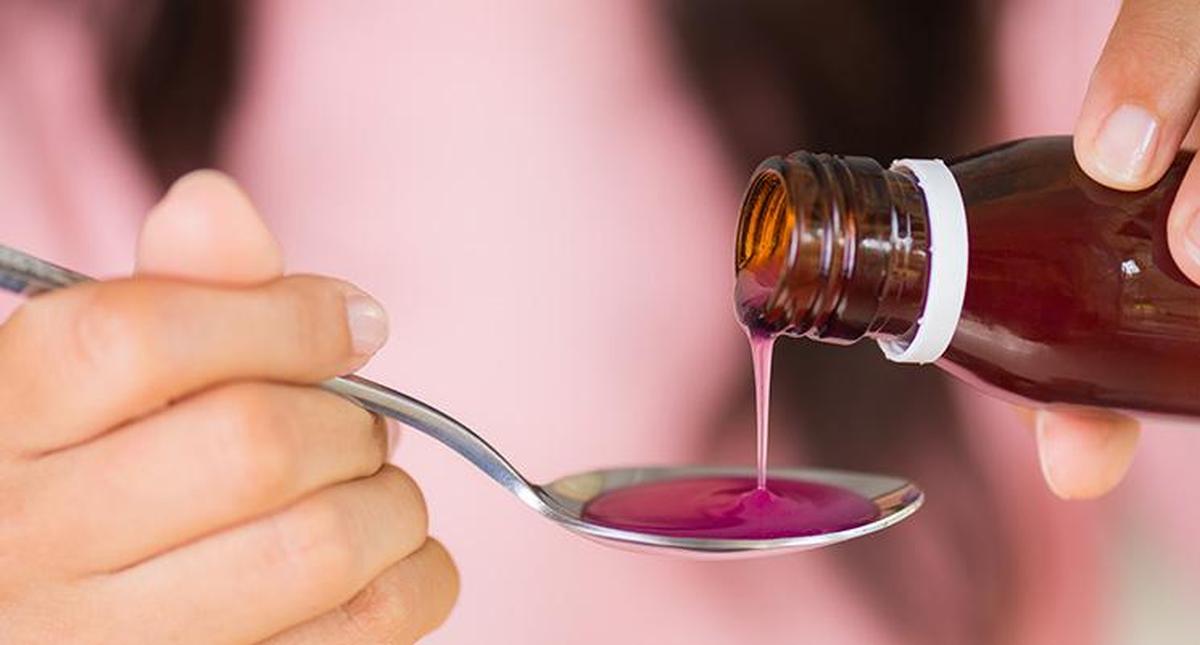
You walk into a pharmacy, your throat is a scratchy inferno and you ask for a bottle of cough syrup. You’re told you need a prescription. That’s the new India reality right now. The Union Health Ministry slammed the doors on over-the-counter liquid cough medicine last week by making an amendment to a decades-old law. The Drugs Rules of 1945 were updated on June 9. All that happened was a word was removed from one of the sections, specifically from Schedule K, and that word was “syrups”.
It may seem like an innocuous amendment, a simple paperwork rehash. In fact it will unleash havoc in our supply chain. Previously, rural shops in villages with population under 1,000 were exempt from having a pharmacist on site to sell these bottles. It was a practical measure for those villages that are hours away from real clinics where people need some basic, fast relief. Now, the doors are shut on this exemption. You will require a prescription, need to go to a licensed medical store and get these bottles locked behind a regulatory wall.
Authorities finally had no option. The relentless pressure, after a series of brutal incidents. Children dying. Not some stray children, hundreds of children died last year in Madhya Pradesh alone. The international outcry against the deaths of over 80 children in Gambia and Uzbekistan because of contamination in India manufactured cough syrups. The drug regulator was cornered, left with no option but to take aggressive action against a pharmaceutical sector that increasingly seemed to be acting reckless.
The Poison in the Bottle
Why is there something dangerous lurking inside your liquid medicine? Basic chemistry. Corporate greed. Cough syrups need to have a base liquid into which the actual drugs are dissolved. This could be glycerin or propylene glycol of the pharmaceutical grade, which will dissolve drugs and make it sweet and palatable to swallow. It appeals particularly to kids.
The problem is, pure solvents used in pharmaceutical formulations are expensive. So the cut-throat manufacturers in India decided to use cheaper industrial solvents instead of pharmaceutical grade propylene glycol or glycerin as the base. These solvents – diethylene glycol and ethylene glycol – are incredibly toxic, present in antifreeze or brake fluids and cause acute renal failure. The manufacturers were mostly tiny outfits functioning in unhygienic shacks, with rusted machinery, who did not check the raw materials and mixed them with whatever it is they had procured for the cheapest price and sold it off to whichever distributor paid in cash.
By removing syrups from Schedule K, authorities are trying to get liquid medicine formulations into a traceable supply chain so that they can trace the poisoning batch from the bottle to the manufacturer quicker than otherwise.
The Unseen Loophole
This is where the entire plan becomes confusing and frankly, illogical. The June amendment took aim specifically at liquid formulations and ignored other preparations. Only ‘syrups’ was removed. ‘Tablets,’ ‘pills’ and ‘lozenges’ remained where they were on the exemption lists.
This means there’s a huge loophole on the retail level. Your local village provision store is not allowed to sell you a bottle of cough syrup, but it can sell you a sheet of cough pills, handfuls of cough lozenges. These cough medicines have exactly the same active pharmaceutical ingredients. Cough suppressants, expectorants and antihistamines all in there. The only thing that is different is the physical form the medicine is presented in.
Already, there’s a visible trend of switching to solid preparations when liquid preparations are unavailable. The medicine is already inside, people will continue to take it and if bottles are no longer easily available, people will buy pills or lozenges instead. The government basically compressed a balloon here and it has expanded on the other side.
The Mechanics of the Bypass
While there is the argument that the primary vehicle for solvent contamination is liquid medicines, a solid pill or a lozenge does not use any solvents like propylene glycol. Therefore, the risk of spiking liquid medicines with antifreeze like chemicals is much higher. However, there is another reason as well: regulation for the misuse of scheduled drugs in cough medicines. Active ingredients present in cough medicines are regulated as they are misused by many for psychoactive purposes. By removing cough syrups from open access, authorities intended to remove a readily available high. The reality of the situation, is that solid forms of such drugs, if any were present, would still be available and easily accessible to those who wished to misuse them, by merely changing the way of intake.
It is indeed remarkable that identical active drug ingredients are to be treated completely differently according to whether they are suspended in liquid form or in a chalky powder form. Village provision stores are free to be full fledged dispensaries outside of the licensing regulations and bookkeeping practices now required of their liquid drug counterparts.
The Enforcement Reality
India has a vast pharmaceutical manufacturing network. While big exporters get licenses to sell internationally under tight regulatory supervision of the Central Drugs Standard Control Organisation, real day-to-day enforcement of regulations across the vast network of small and medium pharmaceutical factories in India falls on the State Drug Controllers. The departments are perpetually understaffed, lack adequate and trained inspectors, the testing laboratories are overburdened and simply cannot keep pace with the thousands of factories they are supposed to be regulating.
Even with a stricter law on paper, on the ground, enforcement is often porous. Factory operators who may be deprived of licenses, either close shop and re-open later under a different name or manage to continue operations undetected. The unregulated distribution network is nimble. They shift gears very quickly.
The loophole of pill and lozenge forms provides a way out. Smart operators will simply shift their focus from producing liquid formulations of these medicines to solid preparations which they can easily push through the same informal supply chain that the country has relied upon to acquire its medicines for decades. Authorities might have locked the bottle but the rest of the medicine cabinet was left wide open.
Government Tightens Drug Safety Rules on Cough Syrups
For more details on the recent regulatory changes affecting syrup formulations across India, watch this news report.