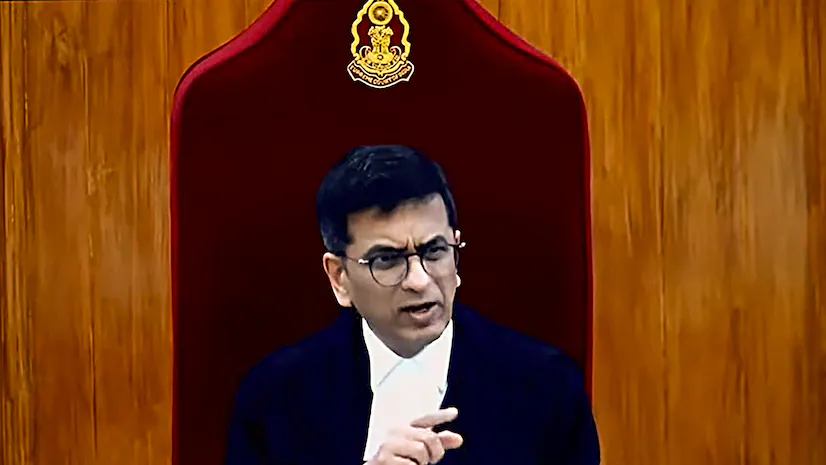
Justice Surya Kant’s Rise as Next CJI Despite Allegations of Corruption and Tax Evasion

Justice Surya Kant

The career of justice Kant started in the year 1984 in Hisar, Haryana where he began his legal studies. He joined as the Advocate General of Haryana in 2000 and was promoted as a judge of the Haryana and Punjab High Court. His first name was however brought to question in 2012 when a real estate agent called Satish Kumar Jain alleged that he was facilitating illegal property deals worth few crores. Jain claimed that Kant underestimated valuation of properties in formal sales transactions to evade paying taxes and stamp duties, but the actual one was paid in huge cash installments.

Rising Rapes in Bengal’s Medical Colleges Under Mamata Banerjee’s Watch

West bengal mamata banerjee

The young woman lived in Jaleswar in Odisha and she was a student at IQ City Medical College located in the Shivapur region in Durgapur, some 170 kilometers away in Kolkata. Based on the complaint offered by her family, she had gotten out around 8:30 pm with a male classmate with what was expected to be an innocent dinner outing. Close to the college gate, a bunch of four to five men approached them.

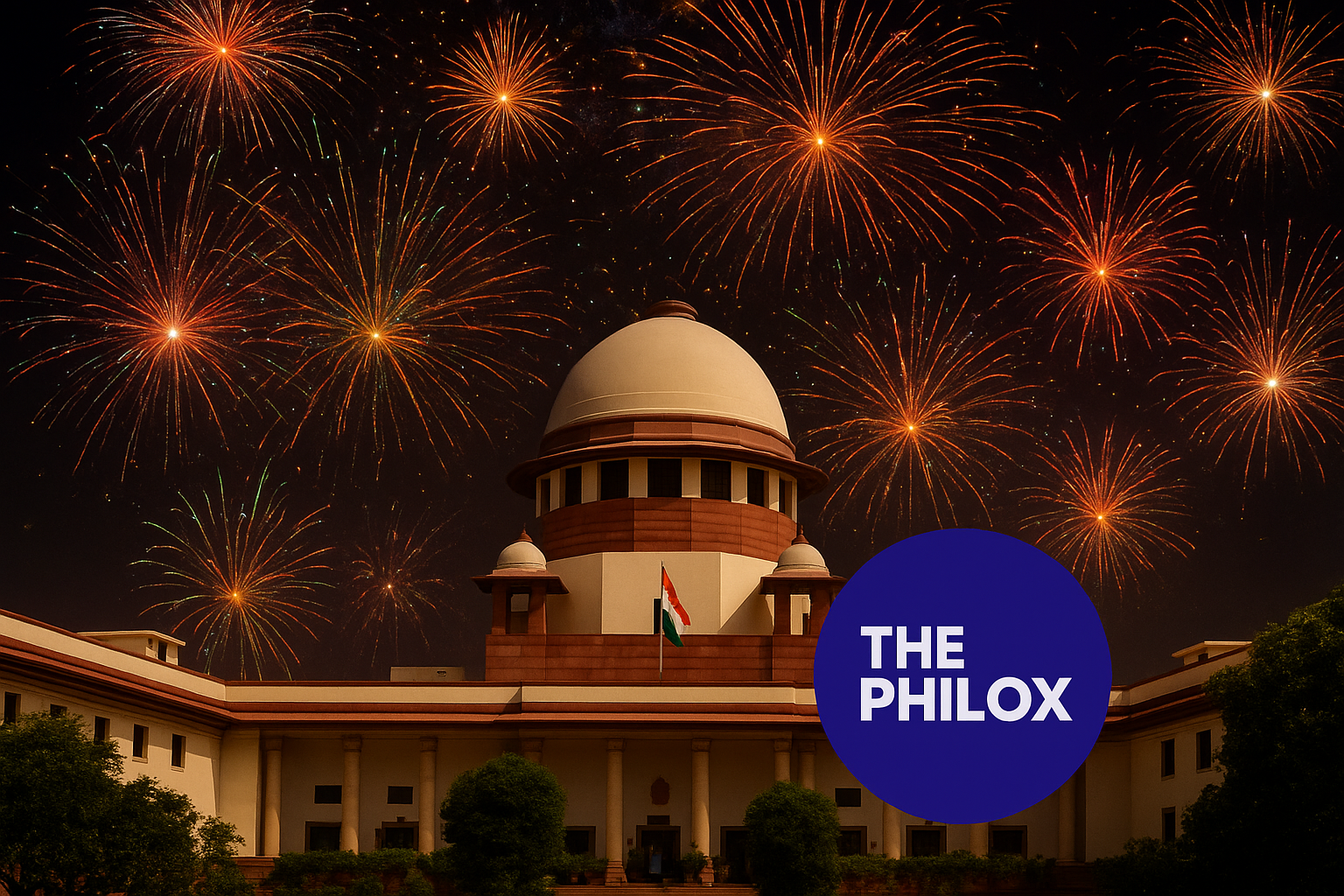
Supreme Court Eases Firecracker Restrictions in Delhi-NCR, Brings Relief to Sellers and Celebrants

Diwali Firecrackers Supreme Court

Whether this relaxation will be successful or not will all depend on the strictness by which the guidelines are adhered to and the awareness of the citizens that there is need to be moderated in celebration.

Who is responsible for the malady ?

Who is responsible for the malady ?

There was a video discussion on Kapil Sibal’s show ‘Dil Se with Kapil Sibal’ on the recent judgment of the Indian Supreme Court in State of Tamilnadu vs Governor of Tamilnadu, regarding the role of Governors of Indian states

Justice Katju’s Critique: The Judiciary, Chandrachud, and the Places of Worship Act in Crisis”

The crass dishonesty of former CJI Chandrachud

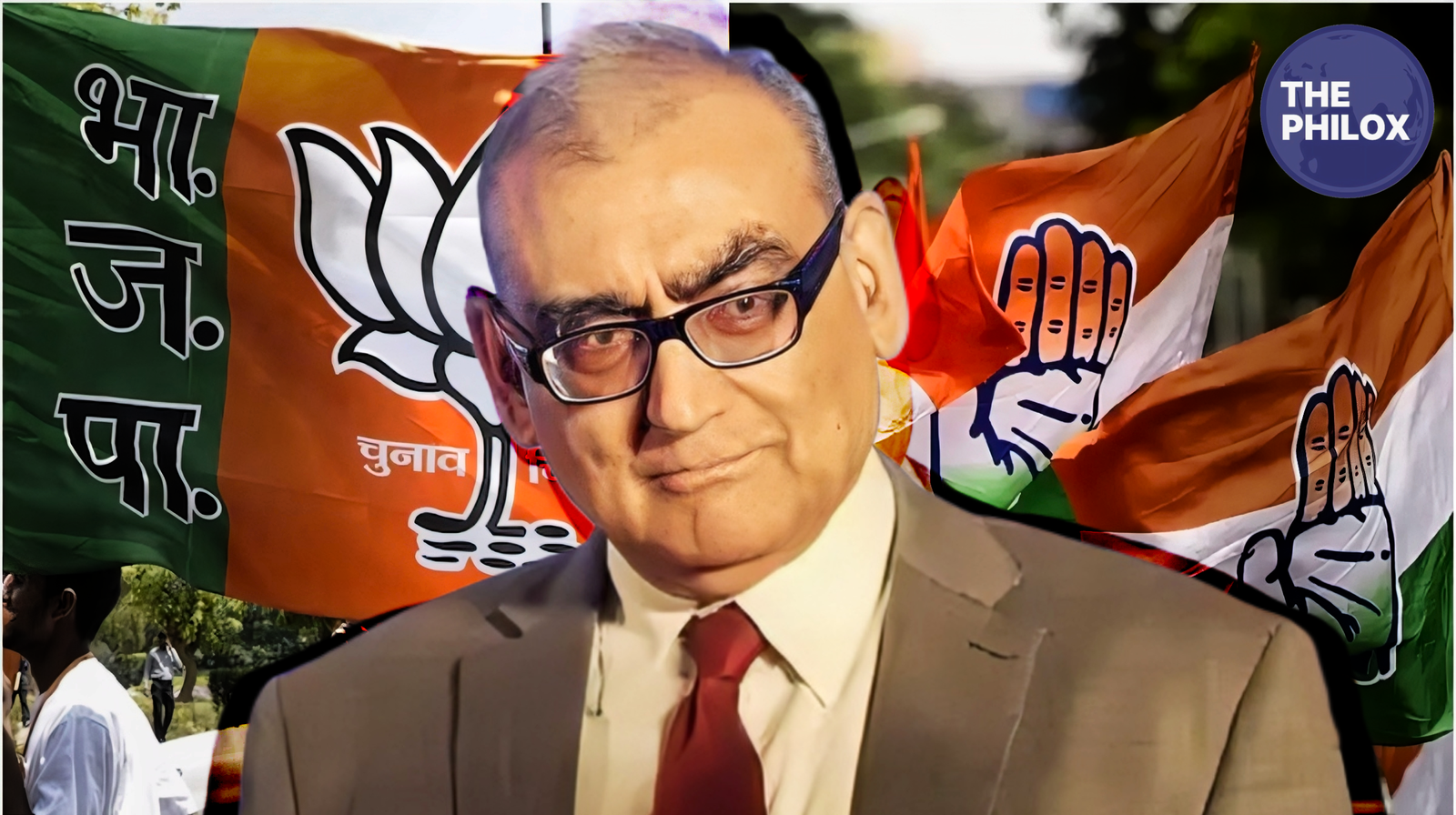
The recent controversies surrounding mosque and dargah surveys in India have sparked sharp criticism from Justice Katju, who alleges judicial dishonesty and complicity with the BJP in undermining the Places of Worship Act, 1991. He specifically condemns former CJI Chandrachud’s perceived sleight of hand in allowing such surveys, warning of the socio-political damage these actions may cause. Highlighting the Jama Masjid case in Sambhal, Justice Katju decries the judiciary’s failure to uphold secular principles. He criticizes the Supreme Court’s reluctance to dismiss these cases outright, attributing it to political pressures, and warns of escalating tensions threatening India’s secular fabric.