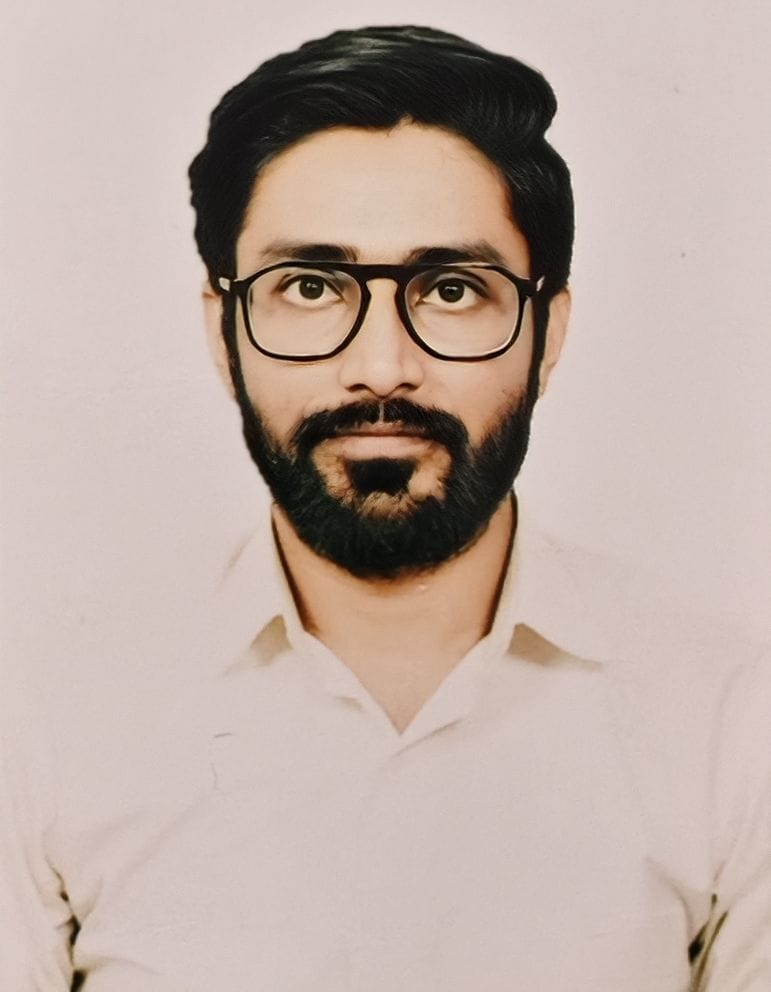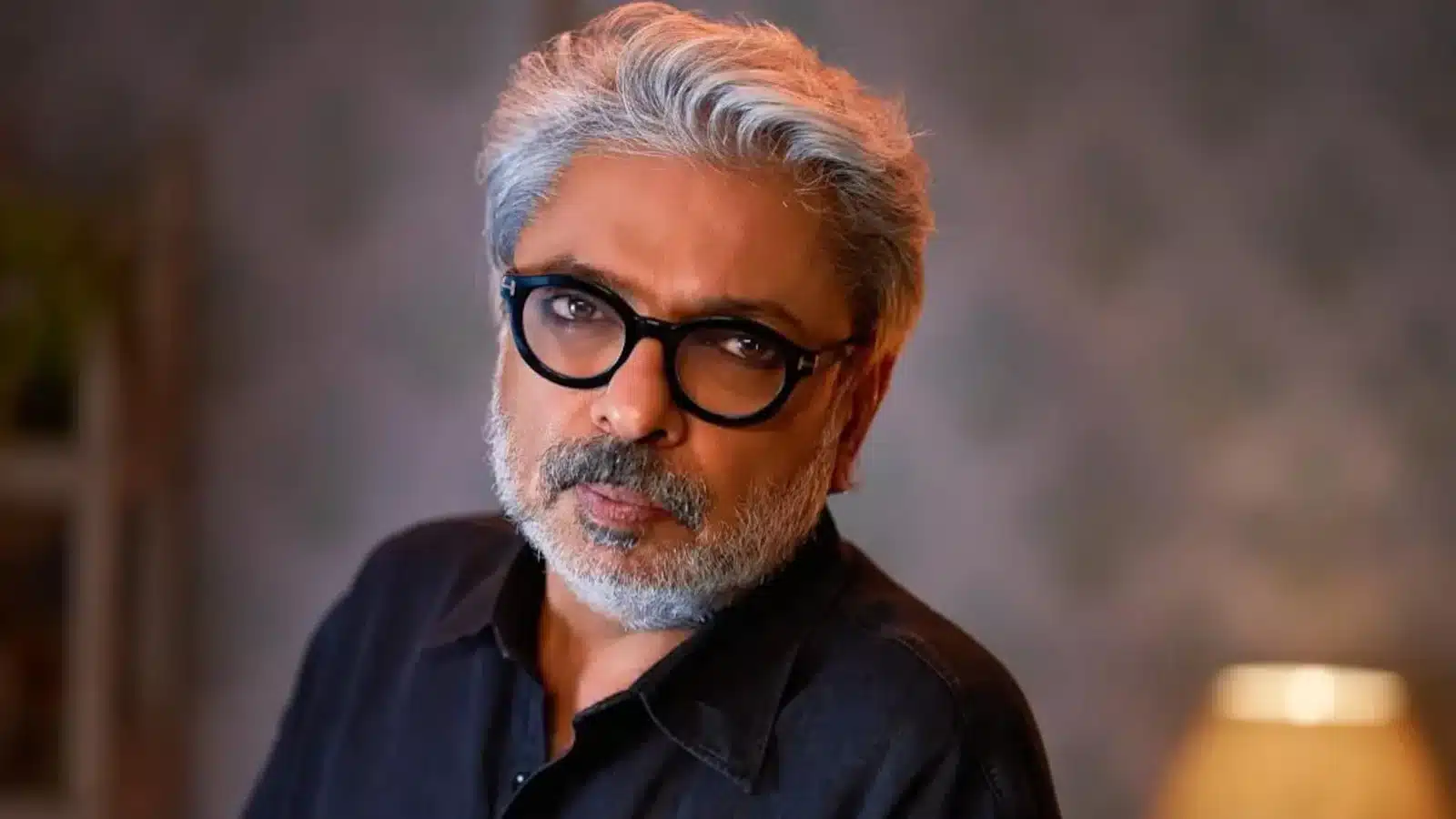
Chandradhari Singh Yadav was 42. He was a set carpenter building the giant, palatial sets for Bollywood films. June 17 found him leaving for his shift at the Royal Pump Studio, located near Film City, Mumbai, to which he would never return. Yadav died on the set of Love & War, the new Sanjay Leela Bhansali movie that stars Ranbir Kapoor, Alia Bhatt, and Vicky Kaushal.
For advertisement on our platform, do call at +91 6377460764 or email us at [email protected].
The story of his death, in all its sordid detail, is not quite settled yet. Initially, the Federation of Western India Cine Employees had declared, with some urgency, that a severe electric shock from faulty wiring had killed him. This declaration, however, crumbled in the span of a few days as another trade body, the All Indian Cine Workers Association (AICWA), popped up with a fresh, and equally devastating, narrative.
Its president, Suresh Shyamlal Gupta, told reporters that Yadav was killed by the collapsing of a portion of the set’s structure that crushed him beneath its weight.
According to him, another few workers had been injured near Yadav. The police are reportedly investigating the order in which events occurred. The lack of clarity only a few days after a man lost his life points to the chaos that reigns supreme on a film set.
This Is the Reality of Your 20-Hour Work Days
The glimmering world of Bollywood’s blockbuster cinema operates on a foundation of a mass, underpaid labour pool working on dangerous levels of fatigue. Union officials lament that the demands of productions are taking their toll on even casual labourers. As revealed by Ashok Dubey, general secretary of FWICE, the logs showed that Yadav had been clocked in from 7 AM, not to be let off work until 3 AM the following day, a rigorous twenty hours on set, and he had maintained this schedule for three consecutive days leading up to the accident.
This has made labour representatives explode. Human beings cannot, and should not, be expected to navigate between a busy set involving heavy machinery and high voltage electrical lights on a measly four hours sleep, let alone three or fewer. The logic being: any labourer at 2 AM on a set, especially one dealing with complex constructions, will lack alertness, making him susceptible to errors that can result in death. The problem, the unions claim, is that producers always pressure the workers to work inhuman hours so that they may save money on location rentals by fitting in maximum shooting per day while sending the stars to their plush, AC-conditioned vanity vans to await the action.
How Do We Price A Human Life?
Yadav, as he was the sole breadwinner of his family comprising of a wife and two young daughters, prompted immediate negotiation of how much his life would be worth. The statement from Bhansali Productions offering 40 lakh rupees for compensation came in immediately. However, this amount was promptly rejected by the unions, who demanded immediate compensation to increase to Rs 50 lakh.
FWICE President B.N.
Tiwari argues that one-time payments cannot ensure the well-being of the children. Instead, the producers are expected to take full legal responsibility for their education, “until they become self-sufficient,” besides arranging stable employment for his wife, so as to provide her with a steady monthly income.
The ante dramatically increased with the AICWA. The body sidestepped FWICE’s demands, going over them completely and writing a formal letter directly to Maharashtra Chief Minister Devendra Fadnavis demanding the registration of an FIR against Bhansali, his production house, and the set safety supervisors. They also doubled their demands, seeking a compensation of Rs 1 crore and demanding a high level government investigation into the studio’s safety norms, accusing them of attempting to cover up the severity of the incident.
Love & War and a ‘Murky History’ of Deadly Productions
What further compounds the pressure on the studio is the unfortunate fact that it is not just an isolated incident. Mr Bhansali is celebrated for his mega films which have enormous, extravagant sets and large groups of background extras, and it is also precisely because of the sheer scale that so many tragedies have been connected with his earlier works. According to AICWA’s letter to Fadnavis, on the sets of Mr Bhansali’s Devdas in the years 2000-2001, a labourer, Dindayal Yadav, passed away in addition to another worker named Subhash Morkar who lost his life during the same production. Similarly, years later, on the sets of historical film Padmaavat, 34 year old labourer Mukesh Dakiya lost his life due to an on-set accident.
The unions hope that the current case would bring systemic reforms for the entertainment industry at large; by holding production houses liable and by ensuring safety audits before filming begins and enforcing the mandated eight-to-ten-hour shifts limit – labour laws and regulations typically do not apply to film sets, and it’s mostly every production set that operates as a sovereign territory of chaos. “We will not let this incident die out,” the union officials said, adding that they would pursue the matter legally and take the next step after receiving the final post-mortem report of the deceased.