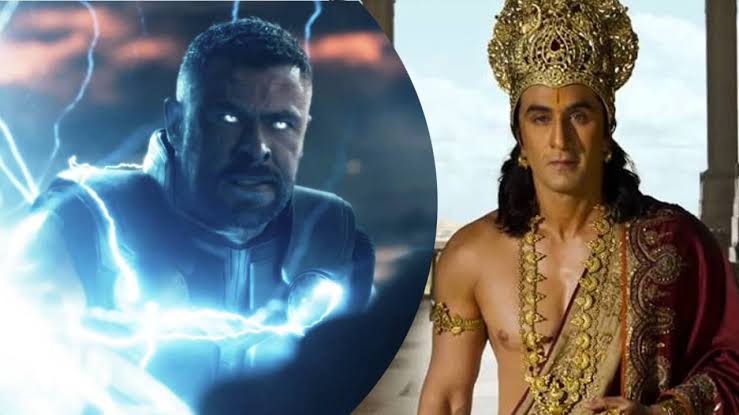
Early Preview Triggers Unfiltered Online Reactions
When Marvel Studios unveiled the first official trailer for Avengers: Doomsday, social media platforms exploded with instant commentary. The trailer promised a massive multiverse crossover featuring the X-Men, the Fantastic Four, and the return of Robert Downey Jr. as Doctor Doom. Yet a significant chunk of the immediate conversation shifted away from plot theories and straight toward visual quality. Viewers began picking apart specific shots within minutes of the video going live.
For advertisement on our platform, do call at +91 6377460764 or email us at [email protected].
Many fans pointed out that several action sequences looked surprisingly unpolished for a tentpole film of this magnitude. Close-up character shots and wide-angle battlegrounds faced intense scrutiny online. Instead of generating purely unmixed hype, the trailer sparked a debate over whether Marvel released footage before its visual effects pipeline was anywhere near finished.
Green Screen Cutouts And Flat Lighting Draw Fire
The main criticism centers on shot composition and lighting integration. Multiple viewers highlighted scenes where actors appeared awkwardly pasted onto digital backdrops. Key moments, including a clash between Thor and Doctor Doom, received flak for noticeable edge lines and mismatched environment lighting. Critics described the overall look as reminiscent of pre-rendered video game cutscenes rather than a theatrical feature.
The Russo brothers’ visual choices also came under fire. Some fans argued that the muted, desaturated color grading made digital backgrounds look flatter than they actually were. When characters interact in murky gray arenas, incomplete CGI becomes much harder to hide. That contrast bothered long-time readers who prefer the vibrant aesthetic of comic book panels.
The Unexpected Comparison To Ramayana
A surprising side effect of the drop was how heavily viewers compared it to other upcoming global projects. On platforms like X, moviegoers frequently juxtaposed the Doomsday trailer with recent promotional footage from Nitesh Tiwari’s upcoming Indian epic Ramayana. Many commentators argued that the visual assets shown in Ramayana felt richer, more textured, and better lit than Marvel’s multi-million-dollar production.
This comparison sparked widespread discussion regarding production budgets versus final output. Viewers questioned why a massive Hollywood tentpole seemed to struggle with basic green screen blending while international productions are rapidly closing the visual gap. The contrast highlighted changing audience expectations worldwide. Moviegoers are no longer giving Hollywood blockbusters a free pass purely based on brand name or budget size.
Defense Of The Pipeline And Post-Production Realities
Not all reactions were negative, and plenty of industry observers stepped in to offer context. Visual effects work in major superhero movies typically continues until weeks before the theatrical release date. Trailers dropped months ahead of time routinely feature temporary or placeholder shots that undergo dozens of iterations before reaching theaters.
Defenders reminded frustrated fans that Marvel has a long history of updating trailer shots for the final edit. Elements like background detail, armor reflections, and character lighting are usually refined during the final stretch of post-production. For supporters, the sheer scale of the character lineup mattered far more than temporary CGI blemishes in an early teaser.
Massive Star Power Still Drives Ticket Demand
Despite the visual complaints, the backlash has done little to cool commercial interest. The trailer clocked tens of millions of views across platforms within its first day, and early premium screening tickets sold out almost immediately upon release. Audience curiosity surrounding Robert Downey Jr.’s villainous turn and the return of legacy characters remains high.
The conversation now turns to how Marvel Studios responds in subsequent promotional clips. With time left on the clock before the theatrical debut, the studio has every opportunity to polish its visual effects sequences. Whether the final cut satisfies demanding fans will depend entirely on how much work gets done in the editing suite over the coming months.