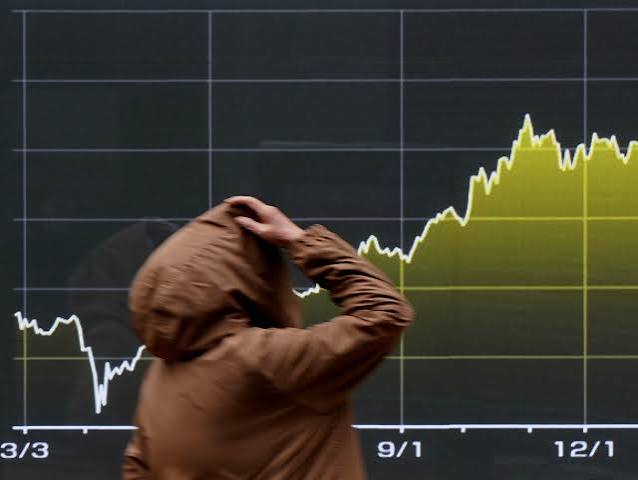
Asia shares fall, European stocks rise in early session Asian shares are falling Friday, September 11, 2026 while European stocks are rising in early trading. Markets continued to monitor the rise in oil prices, inflation and the likelihood of interest rate moves by major central banks. Japan and South Korea’s markets plunged nearly 1.8 per cent and 1.86 per cent respectively while London’s FTSE 100 and the DAX index of Germany were trading higher.
For advertisement on our platform, do call at +91 6377460764 or email us at [email protected].
Shares in South Korea’s Kospi plunged by nearly 1.78 per cent and the Nikkei 225 lost more than 1.91 per cent in early trading according to Akashvani News.
This comes even as markets are still digesting the rise in oil prices, inflation and the likelihood of interest rate moves in big economies. ([Akashvani News][1]) London’s FTSE 100 was up around 0.59 per cent at 7,591 in early trading and the DAX index of Germany was around 0.7 per cent higher at 16,465 in early trading when this report was published. That followed a difficult week for global markets over concerns about the rise in energy prices and bond yields. ([Akashvani News][1]) ## Japan and South Korea Surge Asian markets surged to lead the fall in Asia and South Korea’s KOSPI index fell by about 1.85 per cent.
Japan’s benchmark Nikkei 225 fell more than 2.03 per cent in intraday trading with some share prices falling even more as the session progressed amid selling in chip-related shares.
Asian technology stocks in general are sensitive to a rise in oil prices and bond yields because higher borrowing costs can impact the future valuation of stocks for which earnings are expected further down the line. ([AP News][2]) South Korea’s Kospi plunged by nearly 1.76 per cent as Asia was still closed for the day by mid-session. South Korea’s economy is heavily exposed to technology and semiconductor stocks which is why global tech stocks and expectations about the US economy tend to have a direct impact on the local stocks.
The broader MSCI Asia-Pacific excluding Japan index also registered a huge drop as it fell by around 1.82 per cent in intraday trading. In fact, Reuters said the index stood 1.82 per cent lower at 563.5 points in later trading while the Nikkei was down over 2.83 per cent. This is because many stocks are still trading when different reports are coming out, resulting in some publications showing smaller or bigger losses.
([Reuters][4]) ## Oil Prices Become Major Concern Oil prices are one of the issues affecting markets as the rise in crude crossed the $110 a barrel mark on Friday after rising significantly in the previous session.
Reuters said the Brent crude futures crossed $109.97 a barrel after climbing around 6 per cent overnight. The weekly gain of about 13 per cent was significant. ([Free Malaysia Today][3]) Oil is an important issue for the market because crude oil is used in major parts of the global economy. Transport companies, airlines, manufacturers and many other sectors face higher costs when energy prices rise.
But there is a bigger concern as well.
Crude oil prices rise can push consumer prices higher and if inflation remains high, central banks may have lesser space for cut interest rates or they will have to keep borrowing costs higher for a longer period of time. That has already been reflected in bond markets. ## Bond Yields Add to Pressure Bond yields were rising in several countries, including the US, where there was a close watch on the bond market as it affects borrowing costs across the globe.
The yield on the US 10-year Treasury was nearing 5 per cent. Bond yields going up can make bonds more attractive than stocks while also raising costs for companies and households. For technology stocks specifically, higher interest rates can impact their performance because they tend to have a higher proportion of their worth or valuation based on expected future earnings.
That was one of the reasons why technology and semiconductor stocks faced pressure in the Asian markets.
([The Wall Street Journal][5]) ## European stocks move higher Europe’s stock markets were slightly positive during early trading on Friday. London’s FTSE 100 was up by around 0.59 per cent and the DAX index of Germany was up by around 0.67 per cent when this report was published. Other European stocks were also higher during the early part of the trading session. ([Akashvani News][1]) Reuters later said the pan-European STOXX 600 index was around 0.49 per cent higher at 639.1 points.
France’s CAC 40 index gained about 0.83 per cent while banking and telecommunications stocks were among those supporting European stocks.
([Reuters][4]) European markets managed to recover after two difficult days as investors continued to worry about inflation and energy prices. But not all stocks did well with some technology and software stocks continuing to take a hit while banks, industrial stocks and other sectors performed well in early trading. ([The Wall Street Journal][5]) ## UK GDP shows growth again in July According to data from the Office for National Statistics, the UK’s overall gross domestic product grew by 0.4 per cent in July 2026.
The previous month had also seen the economy expand by 0.3 per cent. ([Akashvani News][1]) The July data was better than expected and more detailed numbers revealed output from services rose by 0.4 per cent while growth in production was at 0.2 per cent and construction grew by 0.1 per cent. ([London Stock Exchange][6]) As the GDP figures did beat expectations, the number was providing some support to the UK stock markets during early trading.
The FTSE 100 was already slightly higher in early trading after the release of the numbers.
([London Stock Exchange][6]) ## Inflation remains important to markets even as UK scores better The UK posted better growth figures but inflation remains a cause of concern for markets as the rise in energy prices complicates the situation for central banks. Rising oil prices can eventually impact consumer prices in the economy as a higher crude rate feeds into the prices of transport and other goods and services. European markets were already under pressure earlier in the week due to inflation concerns and the rise in energy prices. But it is the US market that investors are particularly interested in as they await inflation numbers that will give an idea about the direction of interest rates in the US.
([Reuters][4]) ## Markets stay sensitive to world developments The extent to which Asian and European stocks moved in different directions during the week shows how quickly markets can move within a day.
Asian stocks were pushed lower because of the decline in tech stocks, rise in energy prices and bond yields. Japan and South Korea were the markets that experienced the biggest pressure. European stocks on the other hand gained during early trading as banking, industrial and other stocks gained.
But oil prices, inflation, bond yields and interest rate expectations continued to be closely linked in investors’ minds and markets were paying close attention to any developments on that front. [1]: https://newsonair.gov.in/asian-indices-down-european-markets-trending-up/? Utmsource=chatgpt.com “Asian indices down, European markets trending up | Akashvani News” [2]: https://apnews.com/article/8c3272812f5e9b9238c6a3301921c17a? Utmsource=chatgpt.com “US stocks jump after oil prices ease and an inflation update comes in near expectations” [3]: https://www.freemalaysiatoday.com/category/business/2026/09/11/asian-shares-slump-as-surging-oil-prices-inflame-inflation-risks?
Utm_source=chatgpt.com “Asian shares slump as surging oil prices inflame inflation risks