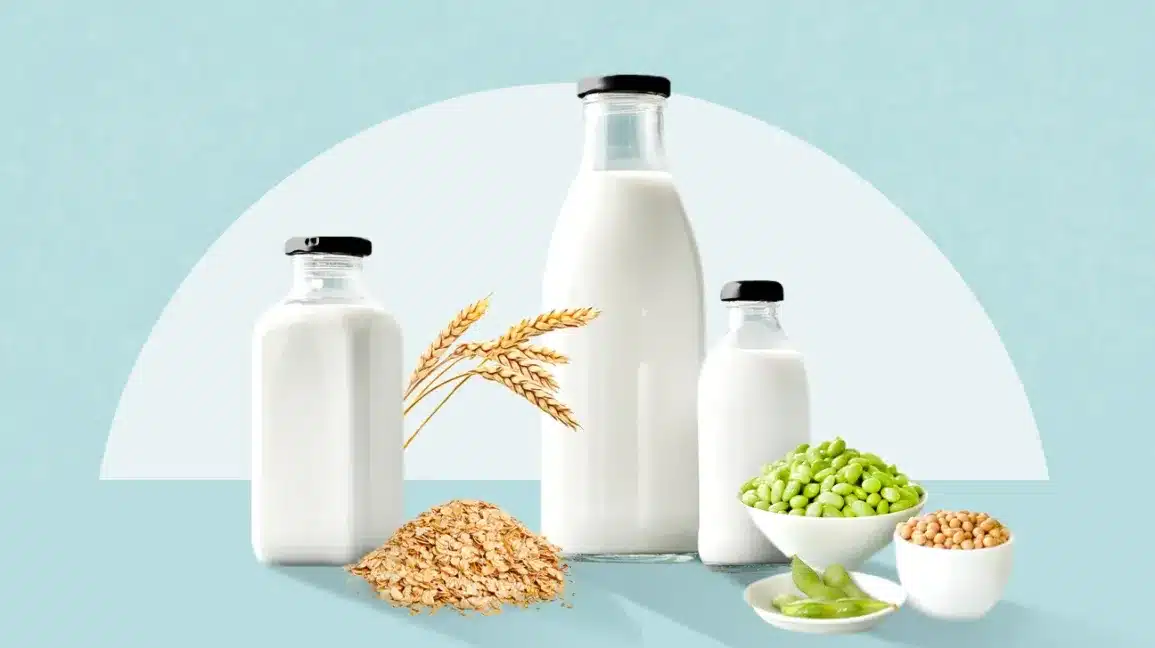
Plant-Based change: Gen Z leads to soar in oat and soya tea drinking.
Market power has deeply rooted in 2026 in the form of cultural and consumer change in cafes and homes worldwide. The generation Z is the population group of individuals born in the late 1990s and early 2010s, and they have definitively abandoned traditional dairy to choose plant-based options, with oat and soya milk becoming the unquestionable leaders in the tea industry. This shift is not only about the choice of diet but also about more fundamental values of sustainability, health and ethical consumption. Market study predicts the plant-based beverage industry across the world to surpass $22 billion by the close of the year, a growth rate that is largely affected by the spending ability and habits of the younger generation that consider their beverage options as one of the continuation of their own identity and political position.
For advertisement on our platform, do call at +91 6377460764 or email us at [email protected].
Climate Concerns and Sustainability.
The environmental footprint of their food is one of the main concerns to Gen Z. It has been reported that so-called climate anxiety is a strong factor behind the rejection of cow-milk, which emits more greenhouse gases and consumes more water than plant crops. In specific, oat milk has become popular because it does not require much water, much less than almond milk, and, also, has a small footprint on land. Although, in some cases, some may question the legitimacy of soya milk due to its connection with deforestation in some parts of the world, it is also being obtained by sustainable and certified European and North American farmers, countering this issue. In making these options, young consumers can feel that they are making a direct, daily decision to reduce their carbon footprint thus matching their morning routine with their environmental activism.
The Gut Health Trend and the Fibermaxxing.
Another trend that has catapulted oat milk into the limelight is a so-called fibermaxxing effect on social media platforms like Tik Tok, which is attributed to the fact that oat milk is a natural source of beta-glucan, a form of soluble fiber that is known to promote heart health and digestion. Contrary to the empty calories that are commonly attributed to sugary soft drinks, oat and soya milk teas are being positioned and taken as functional drinks that help to attain the daily nutritional targets.
Barista-Standard Texture and Taste Profiles.
There has been colossal enhancement in the culinary utilization of milk substitutes, overcoming one of the largest traditional impediments to usage: flavor and feel. Oat and soya milk “barista blends” have been refined in 2026 to avoid casein curdling in hot tea, and to give it a micro-foam comparable to dairy. The oat milk has been hailed as having a creamy, neutral taste and thus letting the subtle flavors of specialty tea shine through, rather than masking them. The slightly more nutty flavor of soya milk has been embraced by the cult market of heavier tea blends such as Masala Chai and breakfast teas where it provides a wholesome savory flavor. This sensual enjoyment will guarantee that selecting a vegan alternative will no longer be a sacrifice but an addition of a pleasureful experience during the act of consumption.
Aesthetics of Social Media and the Exploration of Global Taste.
The aesthetic of drinks is an important element of a generation that is digital in nature. Instagrammable cafe beverages, the growth of bubble tea, and the need to use milk bases that stack exceptionally well and have bright colors have made this a requirement. The oat and soya milks are canvases which have been flexible to host the eruption of international flavors in 2026 such as ube, pandan and black sesame. These plant milks give the required lack of transparency and feel to the t tiered, colorful beverages that control social media feeds. Moreover, the internationalized palate of Gen Z implies that they are less resistant to the traditional preparation of Asian tea the soya has always been a part of it making its acceptance, in Western markets, almost natural and establishing a cross-cultural exchange of tea culture.