An Atheist’s Perspective on the Purpose and Future Demise of Religion in the Shadow of Advancing Science” by Justice Katju

Justice Katju, an atheist, posits that religion serves as psychological support for the poor, preventing despair and suicide amid their harsh living conditions. He argues that even well-off individuals turn to religion due to the unpredictability of life and the underdevelopment of science. Katju predicts that as science progresses in the next century, control over life’s variables will increase, rendering religion obsolete. He views religions as superstitions, with science holding the true, albeit ever-evolving, understanding of the world.

Justice Katju writes on India’s Bad Sense of Humor and Intolerance

Justice katju humor

Justice Markandey Katju, in his commentary on the Indian sense of humor, recounts personal anecdotes where his attempts at humor led to significant backlash in Bihar and Odisha, but were well-received in regions like Nagaland, Madhya Pradesh, Tamil Nadu, Karnataka, and Uttar Pradesh. His experiences illustrate a diversity in humor appreciation across India; some regions respond with understanding and laughter to satirical remarks, while others react with offense and protest. Katju advises caution in jest, suggesting that cultural nuances significantly influence the reception of humor, advocating for a region-specific approach to comedy in India’s diverse cultural landscape.

Justice Markandey Katju on the Illusion of Indian Democracy: Applying Hegel’s Rationality to Current Governance

Mass poverty

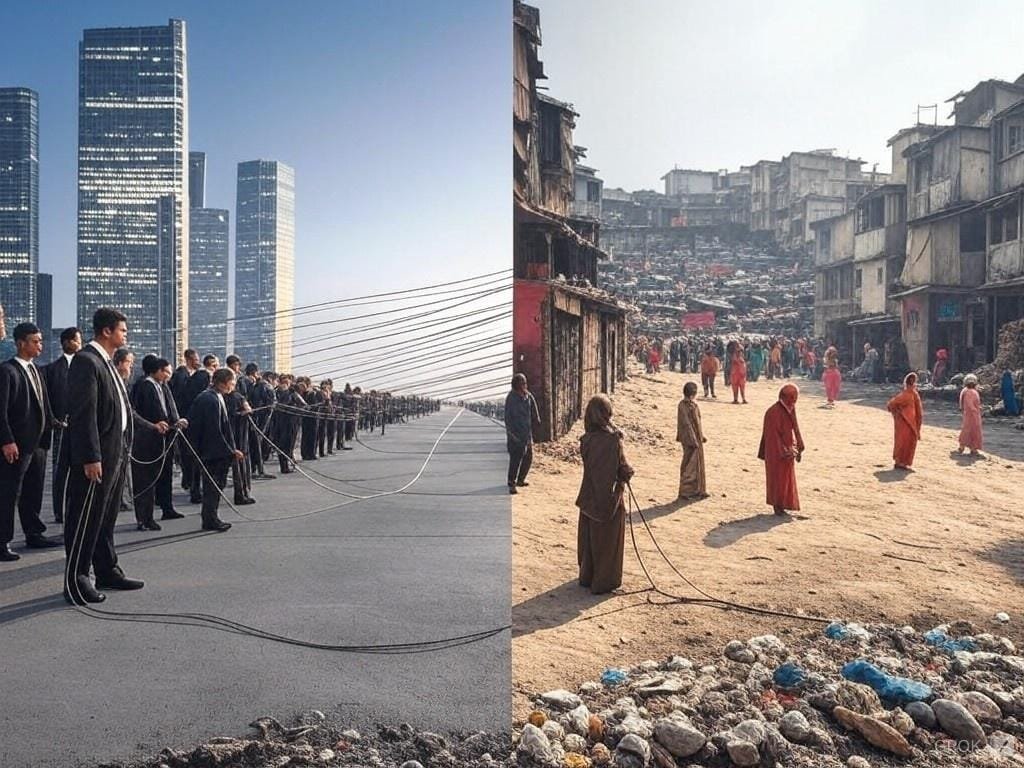
In his critique, Justice Katju applies Hegel’s dictum “The real is the rational and the rational is the real” to contemporary India, arguing that the current political and constitutional framework has become irrational and, hence, unreal. He points out the failure of democracy, freedom, and judicial independence, suggesting that these have been undermined by caste politics, communalism, and corruption. Katju posits that this system, like the pre-Revolutionary French feudalism, is due for an overhaul. He envisions a future where rapid industrialization and rising living standards would constitute a rational, and thus real, social order.

Justice Katju’s Harsh Critique on the State of Patriotism Among Indian Youth

Indian youth

Justice Katju’s critique of contemporary Indian youth on National Youth Day, which coincides with Swami Vivekanand’s birthday, paints a stark contrast between past and present. He laments the perceived lack of patriotism among today’s youth, comparing them unfavorably to historical figures like Bhagat Singh and international examples of youthful sacrifice for national causes. However, he expresses hope in the emergence of a new generation inspired by the likes of Swami Vivekanand, potentially leading India towards a revolution for prosperity and dignity.

Katju’s View on Democracy or Deception – How Indian Independence Became a Facade for the Rule of Rogues

markandey katju

Justice Markandey Katju critiques the notion of India’s 1947 Independence as a ‘phoney freedom’, arguing that it did not liberate citizens from poverty, unemployment, or social injustices. He contends that the change from British to Indian rulers merely swapped oppressors, leading to governance by a corrupt, self-serving elite rather than the democratic ideal of rule by the people. Katju highlights the stark inequality, ineffective political leadership, and the misuse of nationalism to incite division, questioning the true value of the constitutional democracy established, which he sees as a scarecrow, ineffective against the real challenges facing the nation.

Justice Katju Highlights Secularism Violation with Kumbh Mela Funding

Kumbh Mela

Justice Markandey Katju criticizes the Kumbh Mela 2025 in Allahabad, scheduled from January 13 to February 26, where 400 million Hindus are expected to participate, believing a bath in the sacred Sangam will cleanse their sins. He deems this belief as superstition, opposing government expenditure of approximately Rs 9,000 crores on the event. Katju argues that this funding contradicts India’s secular constitution, which mandates a separation of religion from state affairs. He advocates for the use of these funds for public welfare like education and health. Additionally, he condemns the political exploitation of the Mela by BJP for electoral gains, as evidenced by the omnipresent images of Modi and Yogi Adityanath.

Justice Katju Critiques Government Funding for Kumbh Mela 2025 in Prayagraj

kumbh mela

The Kumbh Mela, a significant Hindu religious gathering, is set to begin in Prayagraj from January 13 to February 26, 2025, with an estimated 400 million attendees. Despite being an atheist, Justice Katju supports religious freedom but objects to the substantial government funding for the event, questioning the secular nature of India. He criticizes the expenditure on religious events like the Ram Temple and Kumbh Mela, arguing that such funds should aid public welfare. He also challenges the superstitious belief that bathing at the confluence of rivers can cleanse sins, suggesting it conflicts with the constitutional duty to promote scientific temper.

Justice Katju Highlights Unemployment and Corruption as Drivers of Indian Migration and Dunki

Dunki

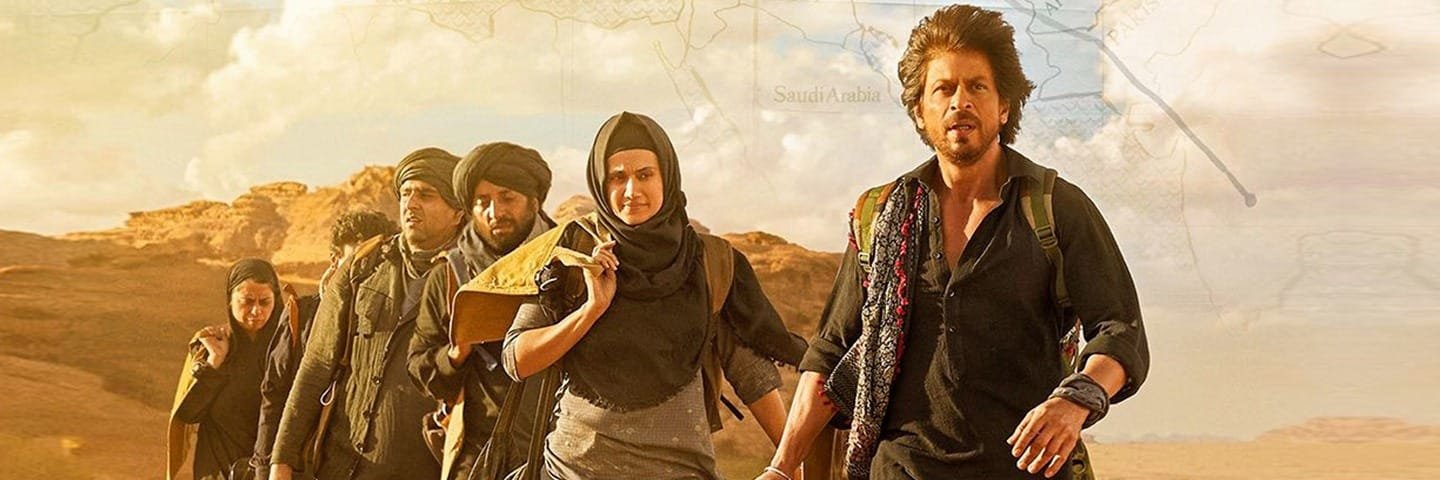
Justice Katju outlines the reasons behind the mass migration of Indians abroad. The primary drivers include severe unemployment, where only a fraction of the 12 million youths entering the job market annually find formal employment, pushing many into informal or desperate livelihoods. Economic stagnation, coupled with a lack of vision from corrupt politicians, makes the future bleak. Additionally, environmental pollution, urban overcrowding, and escalating living costs exacerbate the situation. This combination of factors leads many Indians to seek better opportunities and quality of life abroad, often renouncing their citizenship, with the film “Dunki” illustrating this migration trend, albeit with an unrealistic depiction of returnees.

Unveiling India’s ‘Fearful Odds’: Confronting Global Economic Barriers and the Call for People’s Revolution

This article discusses the “fearful odds” confronting India, focusing on the systemic barriers to its development. It posits that the primary adversaries are massive poverty, unemployment, child malnutrition, and inadequate healthcare and education, exacerbated by a global economic structure where developed countries covertly prevent underdeveloped nations from industrializing to protect their own economic interests. Additionally, internal feudal forces like casteism and communalism further hinder progress. The piece advocates for awareness of these challenges as the first step towards a historical, people-led struggle for transformation, potentially culminating in a revolution to overcome these socio-economic evils.

My spat with Ras Siddiqui

Justice Markandey Katju recounts a recent disagreement with Ras Siddiqui, a Pakistani-origin friend living in the USA. The conflict began after Katju published an article criticizing Benazir Bhutto, calling her a “big crook,” which Siddiqui opposed. Katju, in response, expressed his belief that Pakistan is an artificial entity, created by British colonialists to foster division between Hindus and Muslims, and that lasting harmony between India and Pakistan is impossible. He argues that the creation of Pakistan aimed to prevent India from becoming a modern industrial power. Katju shared his views in various articles, but Siddiqui has yet to reply.

The crook Benazir Bhutto, the Messalina of Pakistan

Benazir Bhutto

By Justice Katju Today, 27th December, is the death anniversary of former Pakistan Prime Minister Benazir  Bhutto For advertisement on our platform, do call at +91 6377460764 or email us at [email protected]. Many Pakistanis have praised Benazir e.g. the well known journalist Raza Rumi, for allegedly doing a lot for the welfare of the people … Read more

From Madras to Maargazhi: Justice Katju’s Spiritual Journey and Love for Tamil Nadu’s Traditions During the Sacred Month

Spending Maargazhi in California

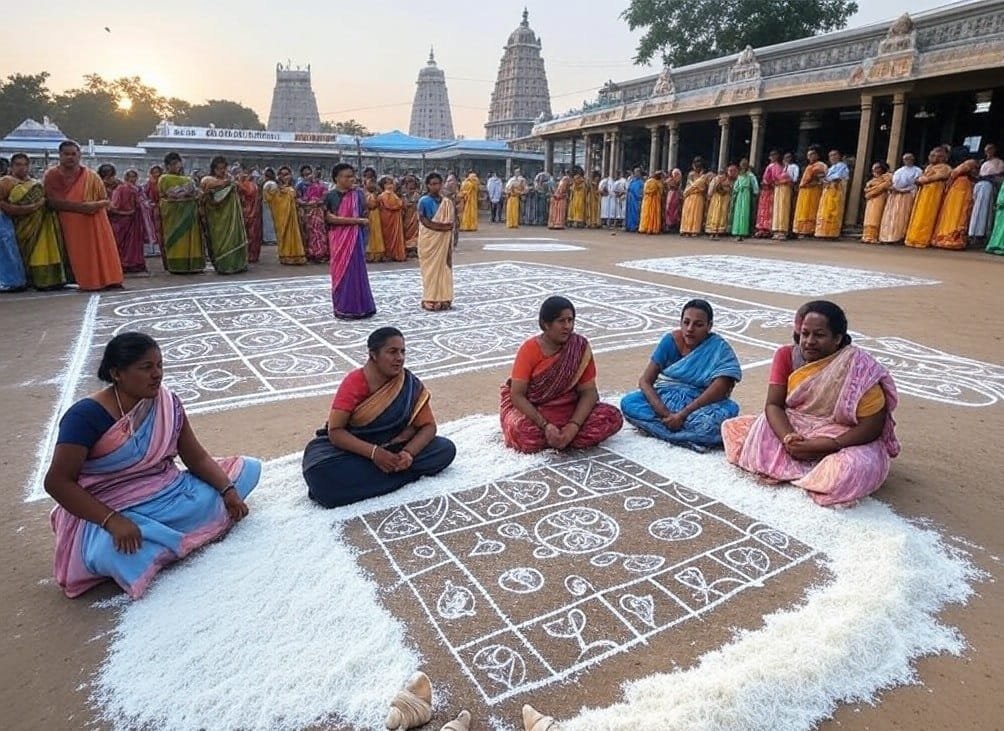
In “Spending Maargazhi in California,” Justice Katju reflects on the significance of the Maargazhi month, which holds deep cultural and spiritual importance in South India. He shares his personal experiences, including his time as Chief Justice of the Madras High Court, where he became immersed in the traditions of Tamil Nadu, such as the singing of Thiruppavai and the daily drawing of kolams. Justice Katju also highlights the mystery of Andal’s vivid descriptions of Mathura, despite her limited travel. Now in California, he yearns for the spiritual and cultural vibrancy of Tamil Nadu during this sacred month.

Justice Katju on Manmohan Singh’s Blind Loyalty to Sonia Gandhi and Corruption During His Tenure

Manmohan Singh

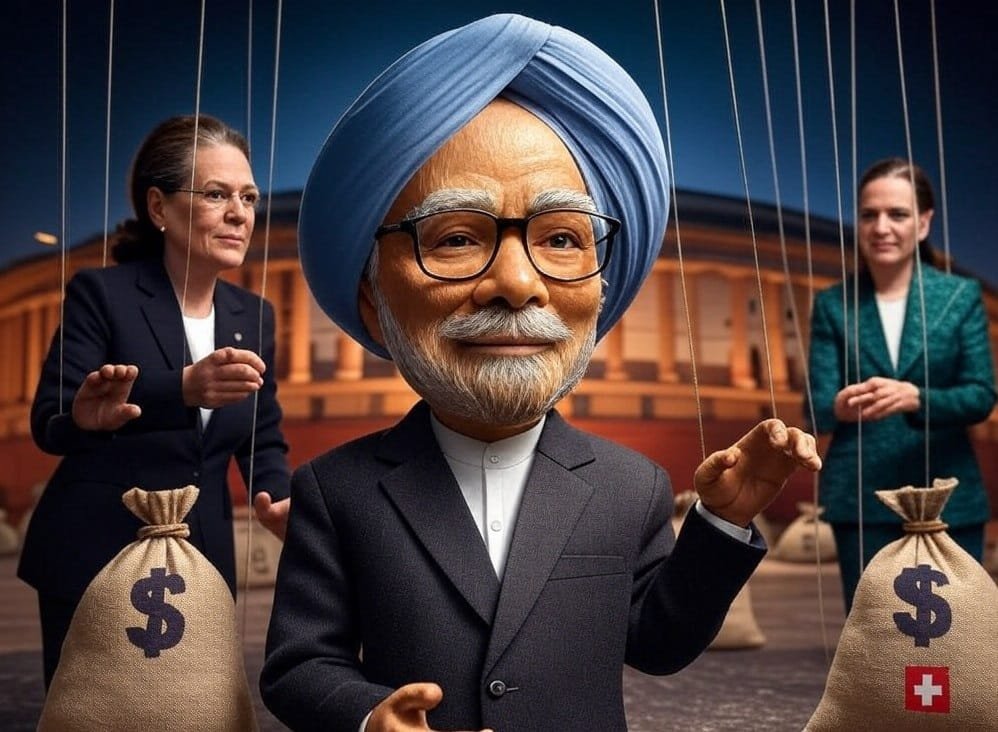
Justice KatjuManmohan Singh: A Puppet Prime Minister and the Corruption Under His Watch –

India’s ancient connection with Christianity

India's ancient connection with Christianity

By Justice Katju For advertisement on our platform, do call at +91 6377460764 or email us at [email protected]. Since this is the Christmas season, it may interest many to know of India’s ancient connection with Christianity.  The first connection began with the birth of Jesus in a manger in Bethlehem, when an Indian named Caspar … Read more

The Unmatched Versatility of Mohammed Rafi: A Tribute by Justice Katju

Mohammed Rafi

On the 100th birth anniversary of legendary singer Mohammed Rafi, Justice Katju celebrates his unparalleled contribution to Hindi film music. Rafi is hailed as the greatest playback singer, known for his versatility, emotional depth, technical skill, and unique voice quality. His ability to sing across genres, from classical to romantic to patriotic, set him apart from contemporaries. Rafi’s collaborations with iconic composers produced timeless classics, and his songs continue to resonate today. His influence spans decades, making him a cultural icon whose legacy inspires generations. The article highlights Rafi’s lasting impact on Indian music.

Justice Katju Explores How Jesus Christ’s Mission to Reform Jewish Society Birthed Global Christianity

Justice Katju Explores How Jesus Christ's Mission to Reform Jewish Society Birthed Global Christianity

Christianity emerged as a reform movement within Judaism, led by Jesus Christ, who sought to challenge the corruption of Jewish priests. Following his crucifixion, his disciples spread his teachings among Jewish communities in the Roman Empire, leading to debates about inclusivity for non-Jews. The liberal faction, led by Paul, prevailed, allowing gentiles to join without adhering to Jewish customs, which facilitated Christianity’s growth. Its promise of social security, spiritual fulfillment, and equality resonated with the poor and slaves. Despite persecution, the faith expanded, ultimately becoming a major world religion through its human-centric ideology and community-based support system.

How Fritz Haber Killed Millions and Saved Billions

How Fritz Haber Killed Millions and Saved Billions

Fritz Haber, a German chemist, revolutionized agriculture with the Haber-Bosch process. He made it possible to mass-produse ammonia for fertilizers, saving billions from starvation. However, his contributions to chemical warfare during World War I, including the development of chlorine gas, led to immense suffering and death. This double legacy is an ethical complexity that scientific innovation presents. While his agricultural advancements supported global food security, his involvement in war and the later use of his inventions for genocidal purposes, such as Zyklon B, raise critical questions about the responsibility of scientists in shaping the moral impact of their discoveries.

Richard Grenell’s tweets and what it portends for Pakistan

Richard Grenell

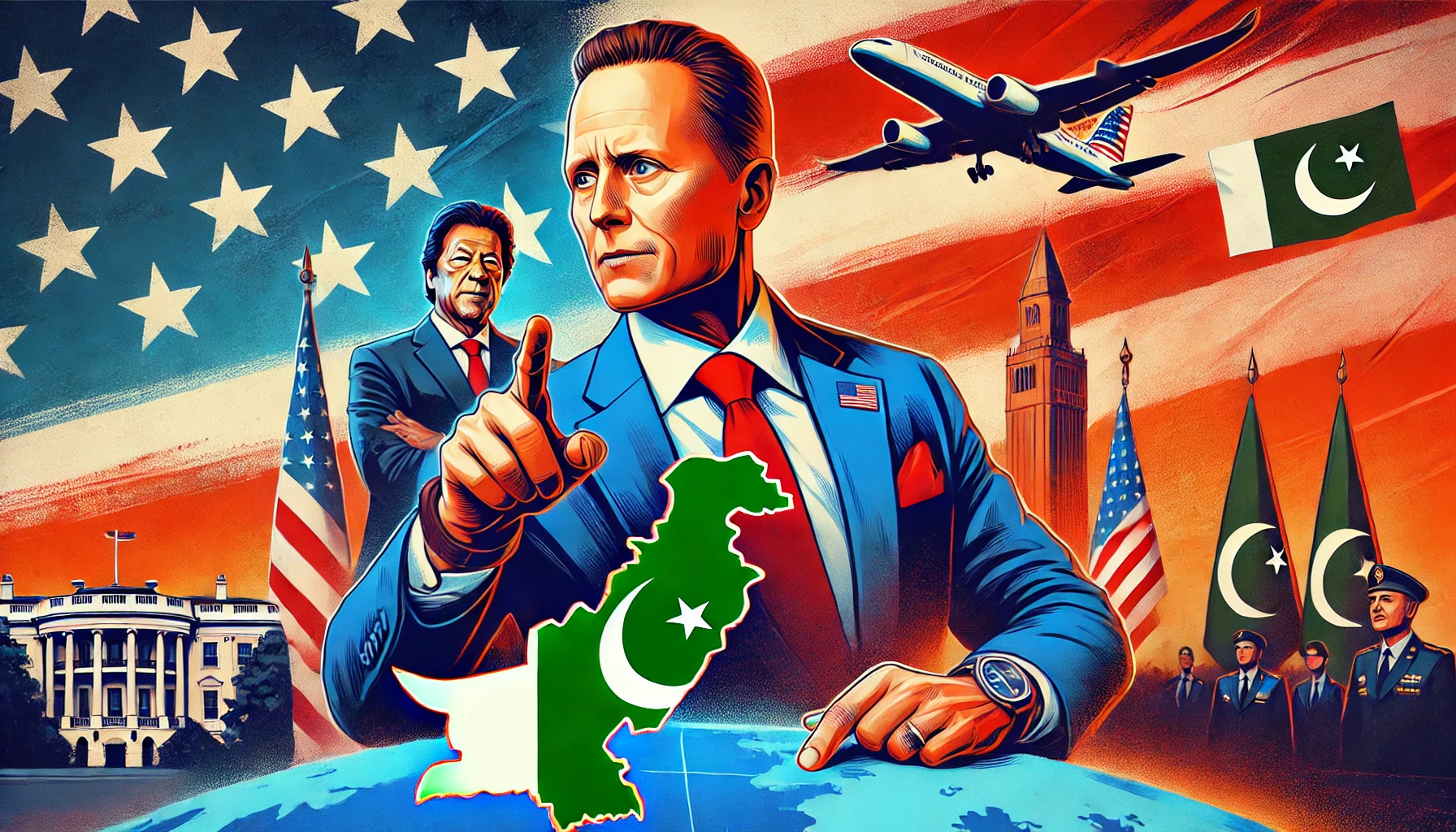
Richard Grenell’s recent tweets calling for the release of Imran Khan have sparked speculation regarding Pakistan’s political future. As a close ally of Donald Trump, Grenell’s statements suggest a potential shift in U.S. policy. Imran Khan’s imprisonment, following his shifting alliance toward China and Russia, has alienated U.S. interests in Pakistan. With widespread public support for Khan and the potential for instability under the current government, there is growing recognition that his return to power might restore stability. This article explores the implications of Grenell’s tweets for U.S.-Pakistan relations and Pakistan’s political landscape.

Justice Markandey Katju on Indian Constitution : Has it failed us or have the people failed the Constitution  ? 

The purpose of the Indian Constitution

Justice Markandey Katju critiques the premise of India’s Constitution, arguing that it was transplanted from Western models onto a feudal society without addressing the structural transformation required for modernization. He highlights how, despite initial progress, India’s modern institutions have been feudalized, eroding principles like secularism, liberty, and freedom of speech. He posits that true transformation necessitates a people-led revolution, citing historical examples from England, France, Russia, and China. Katju concludes that the Constitution alone cannot modernize a society, emphasizing the need for sustained societal change.

The purpose of the Indian Constitution

The purpose of the Indian Constitution

The purpose of the Indian Constitution is to deceive and hoodwink the Indian people into thinking that they are ruling themselves ( and thus have  a democracy  ) when the truth is that they are being ruled by a handful of crooks, who are looting them. 

How Difficult it is to be The Liver Doc aka Dr Cyriac Abby Philips

How Difficult it is to be The Liver Doc aka Dr Cyriac Abby Philips

Dr. Cyriac Abby Philips, known as “The Liver Doc,” is an Indian hepatologist who has been recognized for his evidence-based approach to liver diseases. A vocal critic of Ayurveda and homeopathy, he has raised concerns about the safety and efficacy of alternative treatments, particularly their potential harm to liver health. His advocacy for scientifically validated medicine has sparked significant backlash, including legal threats and public disputes with celebrities promoting unproven treatments. Despite the controversy, Dr. Philips remains steadfast in making people aware of the risk of unproven therapy and motivating doctors to exercise caution and maintain scientific merit in clinical practice.

Long Live CJI Sanjiv Khanna: Justice Katju Praises a Worthy Successor

Justice Khanna

Justice Sanjiv Khanna, alongside Justices Sanjay Kumar and Justice V. Ramasubramanian, has upheld the sanctity of the Places of Worship Act, 1991, by staying surveys of mosques and dargahs. This pivotal decision curbs potential communal unrest and reverses the impact of the Ayodhya verdict and subsequent interpretations that jeopardized secularism. Justice Khanna’s bold stance echoes the legacy of his great-uncle, Justice HR Khanna, known for his dissent in ADM Jabalpur. In contrast, former CJI DY Chandrachud’s rulings, including those in the Gyanvapi case, have been critiqued for undermining secular principles to advance personal ambition.

Most Americans do not seem to know about their own country’s great literature

After the American Civil War ( 1861-65 ) slavery was abolished, but the condition of blacks was still bad ( due to Jim Crow laws, Ku Klux Klan, etc ). The devious decision of the US Supreme Court in Plessy vs Ferguson, 1896, and the deceitful underhand principle ‘separate but equal’ which it laid down, legitimized racial discrimination against blacks and segregation all over America. 

 “Sleep is the golden chain that ties health and our bodies together,”-Importance of sleep-more than food”

D.R. Kaarthikeyan

In light of the tragic passing of Sharat Jois, a renowned yoga master, D.R. Kaarthikeyan reflects on the critical importance of sleep for overall health. Despite being in excellent physical condition, Sharat Jois reportedly overworked himself, sacrificing sleep for his passion, leading to his untimely cardiac arrest. Kaarthikeyan emphasizes that sleep is essential for brain and body restoration, immune function, and emotional well-being. He underscores that insufficient sleep can lead to serious health issues and reduced longevity, sharing his own experience with sleep deprivation during high-stress periods, which contributed to his own health challenges.

We are one country By Justice Katju

Markandey Katju

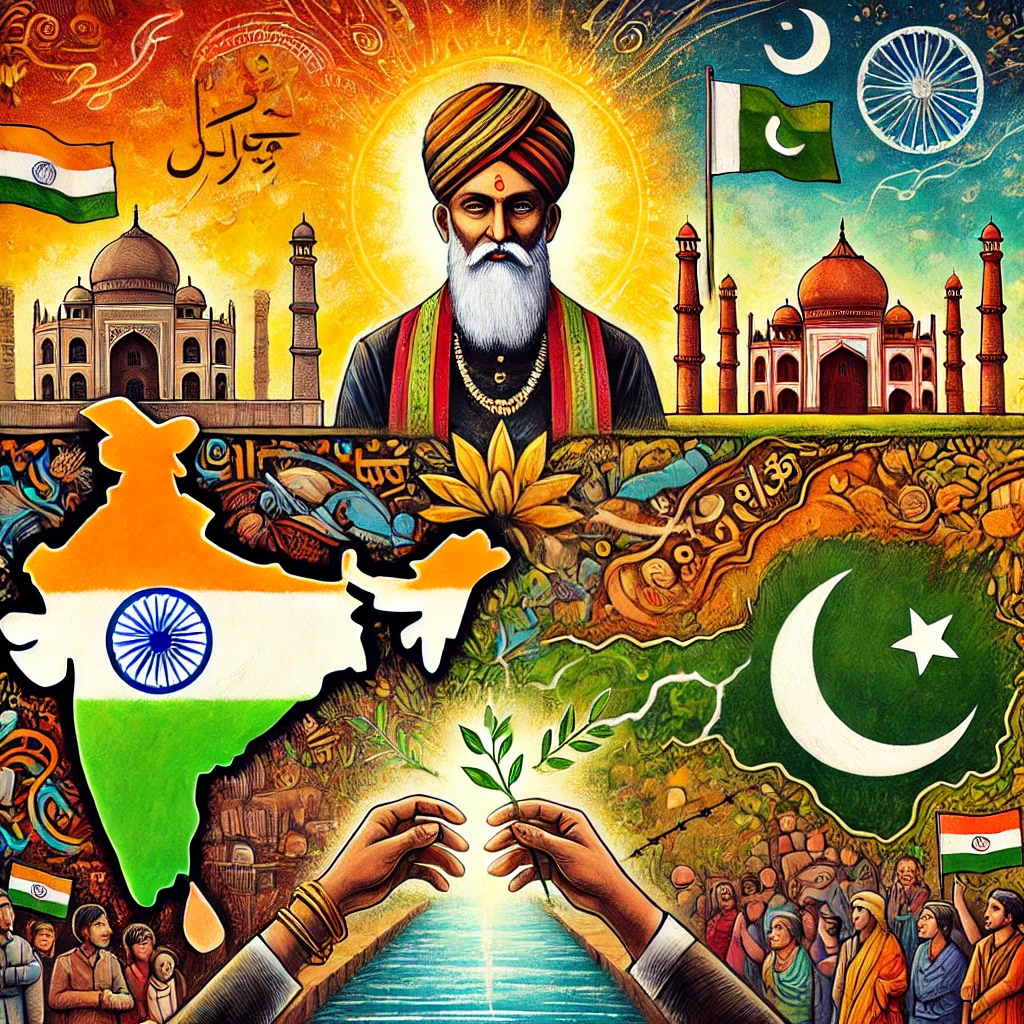
Justice Markandey Katju envisions a future where India, Pakistan, and Bangladesh reunite as one nation, emphasizing their shared culture, history, and language. He argues that Hindustani, spoken widely across the subcontinent, unites these regions culturally. Katju views the 1947 Partition as a tragic British conspiracy exploiting the divisive two-nation theory, with Gandhi and Jinnah as unwitting agents. Highlighting Mughal Emperor Akbar as the true unifier of the Indian subcontinent, he critiques Partition’s lasting impact. Katju advocates for reconciliation and secular leadership to achieve reunification, urging citizens to embrace their shared identity and reject hostility towards their neighbors.

The Foolish Old Man who removed the mountains : By Justice Katju

markandey katju

 I am like that Foolish Old Man. I have repeatedly said that our national aim must be to transform India from a backward country to a modern industrial giant, like China or USA, because unless we do that we can never hope to abolish our massive poverty, massive unemployment, appalling level of child malnutrition ( every second child in India is malnourished, according to Global Hunger Index), skyrocketing prices of essential commodities, almost total lack of proper healthcare and good education for the masses, etc. 

Justice Katju’s Critique: The Judiciary, Chandrachud, and the Places of Worship Act in Crisis”

The crass dishonesty of former CJI Chandrachud

The recent controversies surrounding mosque and dargah surveys in India have sparked sharp criticism from Justice Katju, who alleges judicial dishonesty and complicity with the BJP in undermining the Places of Worship Act, 1991. He specifically condemns former CJI Chandrachud’s perceived sleight of hand in allowing such surveys, warning of the socio-political damage these actions may cause. Highlighting the Jama Masjid case in Sambhal, Justice Katju decries the judiciary’s failure to uphold secular principles. He criticizes the Supreme Court’s reluctance to dismiss these cases outright, attributing it to political pressures, and warns of escalating tensions threatening India’s secular fabric.

The Sambhal Tragedy: Exposing the Farce of Democracy and Secularism in India

sambhal

The recent events in Sambhal, Uttar Pradesh, reflect the erosion of democratic and secular principles in India. A court-ordered survey of the Jama Masjid, allegedly violating the Places of Worship Act, 1991, led to protests from the local Muslim community, culminating in police firing that killed six and injured many. Opposition leaders and journalists were barred from visiting Sambhal, infringing on their constitutional rights under Article 19(1)(d). The UP government’s efforts to suppress the truth and propagate false narratives reflect authoritarian tendencies. This article critically examines the Sambhal tragedy and its broader implications on India’s democracy and secularism.

Mahua Moitra, Get Your Facts Right: My Criticism of CJI Chandrachud Began Long Before His Retirement

Mahua Moitra

Justice Markandey Katju responds to Mahua Moitra’s statement that critiques of former Chief Justice of India D.Y. Chandrachud are surfacing only after he retired. Katju describes his ongoing criticism during the tenure of Chandrachud on judgments such as Ayodhya verdict and the Gyanvapi mosque case wherein he argues, career motives overtook the integrity of the judiciary. Katju is further highlighting Chandrachud’s controversial public appearances and suo motu matters and countering Moitra with evidence of his long-continuing opposition. Thereby, this article can shine light on the many complex issues of judicial accountability and political discourse over the tenure of Chandrachud.

The crass dishonesty of former CJI Chandrachud

The crass dishonesty of former CJI Chandrachud

He was like his father Justice YV Chandrachud who gave a dishonest judgment in the ADM Jabalpur vs Shivakant Shukla case holding with the majority that a citizen has no right to life and liberty during an Emergency, so that his chance of becoming CJI may not be jeopardized. Only the brave and upright Justice HR Khanna dissented, even at the cost of losing the Chief Justiceship.